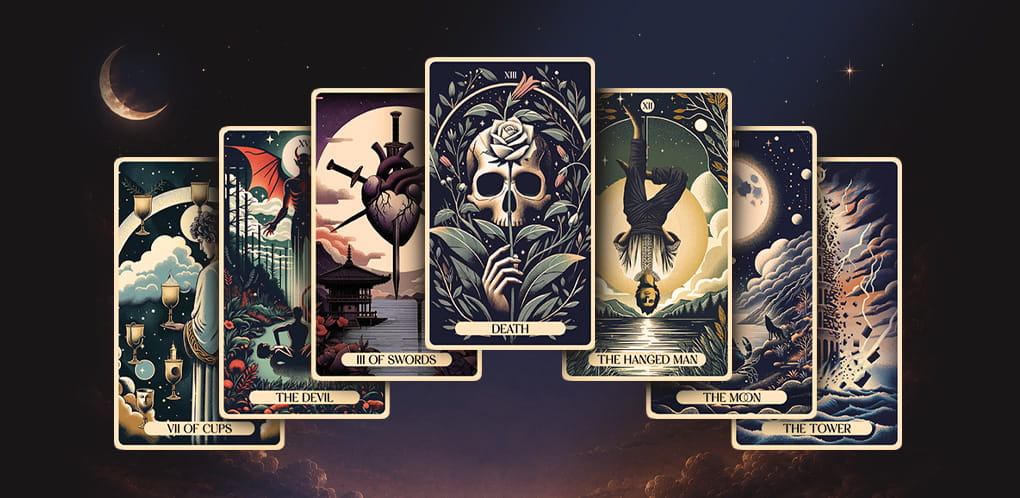
Few things in tarot create more confusion than cards that look intimidating at first glance. Many people see cards like Death, The Tower, or The Devil and immediately assume they predict disaster, bad luck, or something frightening. In reality, tarot is rarely that literal.
Much of this misunderstanding comes from popular culture. Movies, television, and even social media often portray certain tarot cards as ominous warnings, focusing on dramatic imagery while ignoring the deeper symbolism behind the cards. As a result, many people approach these cards with unnecessary fear.
The truth is that tarot cards are not inherently positive or negative. Each card represents a spectrum of experiences, emotions, challenges, and opportunities. A card that appears difficult may actually point toward growth, healing, liberation, or an important turning point.
Another common mistake is interpreting a card in isolation. Tarot works through context. The meaning of a card changes depending on the question being asked, the surrounding cards, and the circumstances of the person receiving the reading. A card that signals challenge in one reading may indicate freedom or transformation in another.
When we move beyond surface-level interpretations, some of the most feared cards in the deck often reveal themselves to be among the most valuable teachers. They encourage honesty, personal growth, and the courage to embrace change.
Let’s explore two of the most misunderstood cards in tarot and uncover what they truly represent.
Karte
The Tower- Not Just Disaster
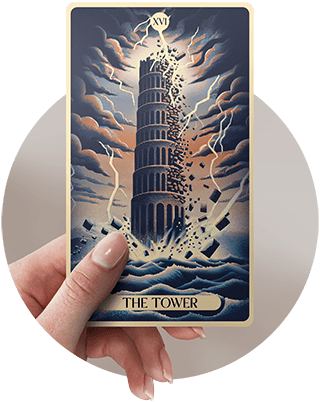
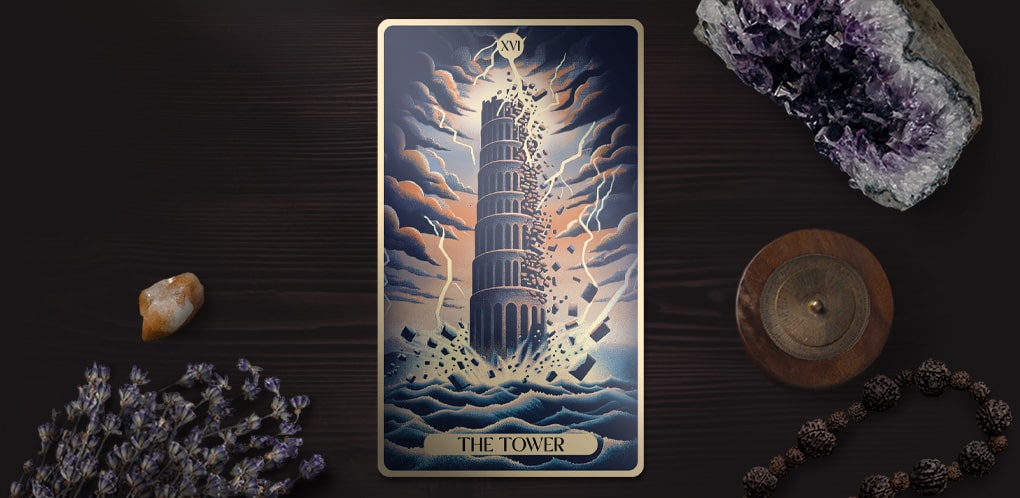
Few tarot cards inspire as much anxiety as The Tower. Lightning strikes a tall tower, flames burst from the structure, and figures appear to be falling from great heights. At first glance, the imagery seems dramatic and alarming, leading many people to believe that The Tower is one of the worst cards in the deck.
What Most People Think
When The Tower appears, many readers immediately associate it with:
- Sudden disaster
- Unexpected loss
- Chaos and destruction
- Life falling apart
While The Tower can indicate sudden change, these interpretations often miss the deeper purpose of the card.
What It Actually Means
At its core, The Tower represents truth breaking through illusion. Sometimes we build our lives around beliefs, relationships, careers, or expectations that no longer reflect reality. We may cling to situations because they feel familiar, even when they are no longer serving our highest good. The Tower arrives when those unstable foundations can no longer hold.
Rather than punishment, The Tower often acts as a necessary wake-up call. It removes what is false so that something more authentic can emerge.
Although the process may feel uncomfortable, the outcome frequently leads to greater clarity, freedom, and alignment.
When The Tower Is Actually a Positive Card
Many people later look back on their “Tower moments” and realize they were turning points that ultimately improved their lives.
Examples include:
- Leaving a job that was causing burnout
- Ending a relationship that had become unhealthy
- Discovering a truth that had been hidden
- Letting go of beliefs that were limiting personal growth
In these situations, The Tower doesn’t represent failure. It represents liberation. The card reminds us that while change can be disruptive, it often creates space for something stronger, healthier, and more authentic to take its place.
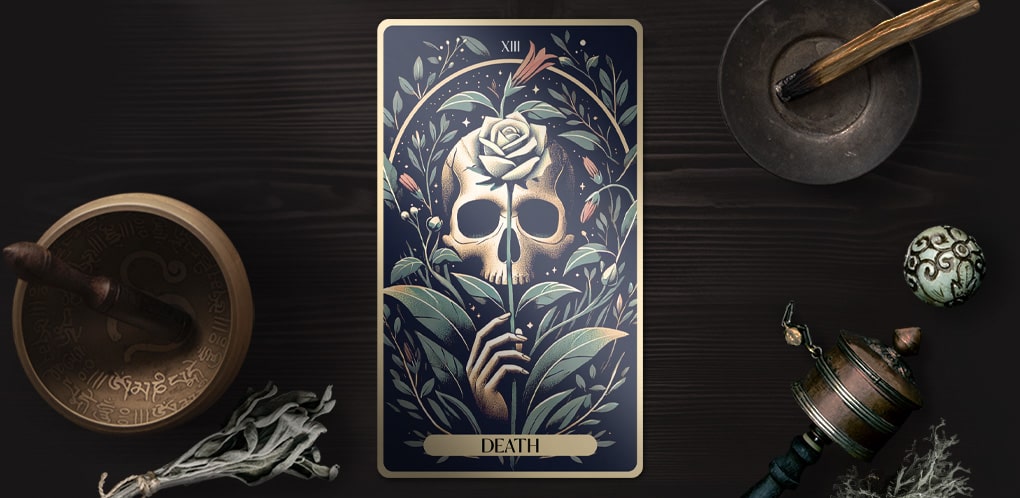
Death
– Transformation, Not Physical Death
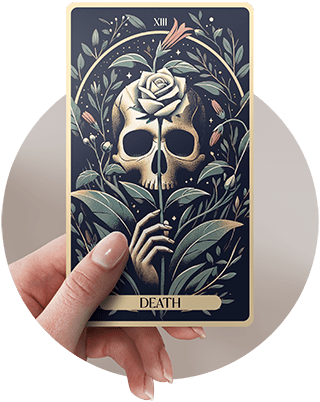
If there is one tarot card that has been misunderstood for centuries, it is Death.
The image alone can make people nervous. Even experienced readers occasionally encounter clients who become concerned when this card appears in a spread. However, one of the first lessons most tarot readers learn is that the Death card rarely refers to physical death.
What Most People Think
Common misconceptions include:
- Someone is going to die
- A terrible event is approaching
- The reading has a negative outcome
- Everything is about to end
These interpretations focus on fear rather than symbolism.
What It Actually Means
The Death card represents endings, transformation, and renewal. Life moves in cycles. Every ending creates the possibility for a new beginning. Just as seasons change and nature continually renews itself, the Death card symbolizes the natural process of release and rebirth. This card often appears when something has reached the end of its purpose. A chapter closes so that another can begin.
The transformation may involve:
- A relationship
- A career path
- A belief system
- A personal identity
- A long-standing habit or pattern
Rather than predicting loss, the Death card often signals growth through transition.
Signs of Transformation in a Reading
When the Death card appears, it may suggest that you are being called to release something that no longer aligns with who you are becoming. This can feel uncomfortable at first because letting go often requires trust. Yet many of life’s most meaningful breakthroughs occur only after we leave something familiar behind.
The Death card invites us to embrace change instead of resisting it. It reminds us that transformation is not the end of the story—it is the beginning of a new one. In many readings, the Death card is not a warning at all. It is an invitation to evolve.
Knjige 1hahahah
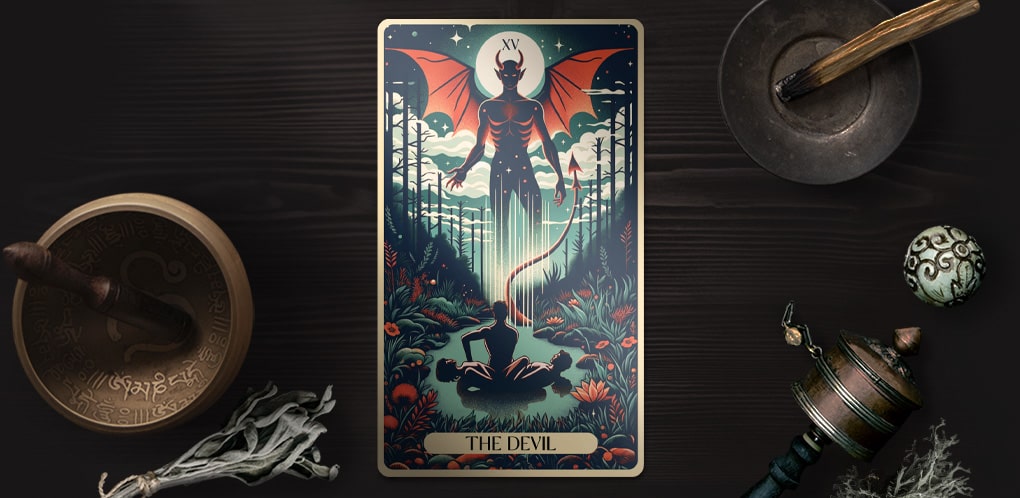
The Devil – Not Evil or Possession
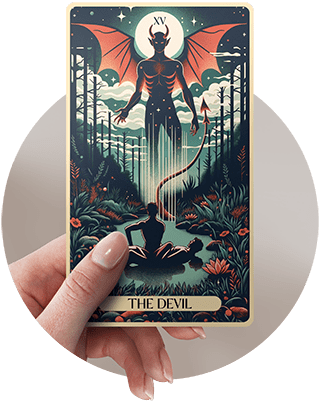
The Devil is another tarot card that often causes unnecessary fear. The imagery can appear dark and unsettling, leading many people to assume it represents evil, danger, or negative outside influences. However, the true meaning of this card is far more psychological and empowering.
What Most People Think
When The Devil appears, people often assume it means:
- Something bad is happening
- Someone is manipulating them
- They are surrounded by negativity
- The reading has taken a dark turn
While the card can point to unhealthy situations, its message is rarely about external evil forces.
What It Actually Means
The Devil represents attachment, limitation, and self-imposed restrictions. Often, the chains shown in traditional tarot imagery symbolize habits, beliefs, fears, or patterns that keep us feeling stuck. The important detail is that these chains are usually loose enough to be removed. This suggests that the situation is not as powerless as it may seem.
The card asks difficult but important questions:
- What am I holding onto that no longer serves me?
- Where am I giving away my power?
- What fear is preventing me from moving forward?
- What unhealthy pattern keeps repeating in my life?
The Devil often appears when we have become trapped by something familiar, even if it is no longer healthy.
Breaking Free From Limiting Patterns
In many readings, The Devil is actually a card of awareness. You cannot change what you refuse to see. The moment you recognize a limiting belief, toxic dynamic, unhealthy habit, or self-sabotaging behavior, you regain the power to make a different choice.
Rather than representing doom, The Devil often marks the beginning of liberation. It shines a light on what has been controlling you so that you can finally reclaim your freedom.Viewed through this lens, The Devil is not a card of defeat—it is a card of empowerment.
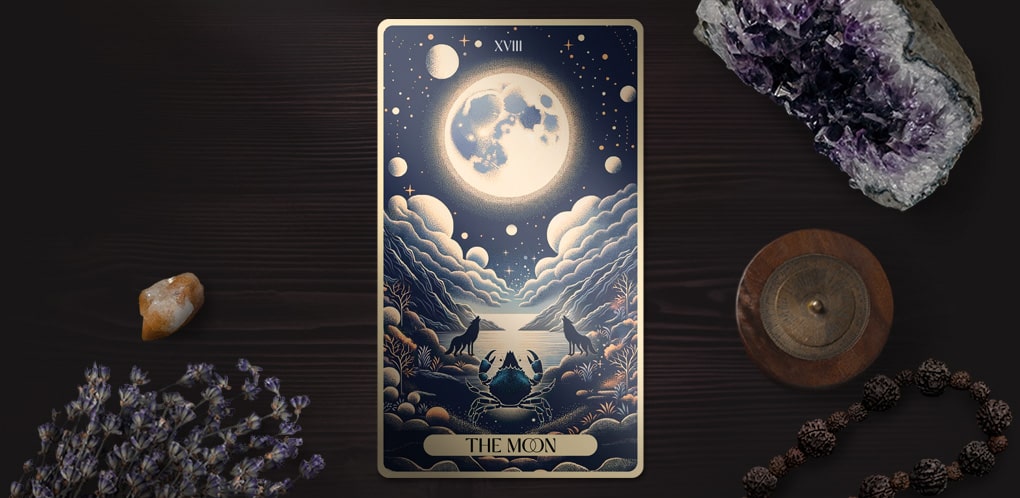
The Moon –
Confusion Can Lead to Clarity
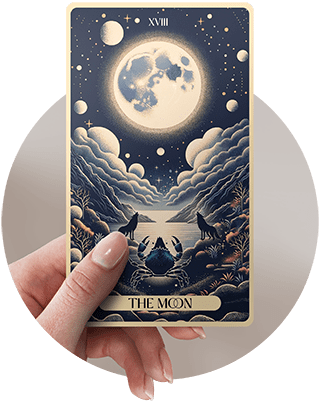
Few cards are as mysterious as The Moon. Its dreamlike imagery, winding path, and hidden symbolism often leave readers feeling uncertain. Because uncertainty can be uncomfortable, many people automatically interpret The Moon as a negative card.
In reality, The Moon is not warning you that something terrible is happening. It is reminding you that not everything is visible yet.
What Most People Think
Common interpretations include:
-
Deception
-
Lies
-
Confusion
-
Bad decisions
-
Hidden enemies
While these meanings can sometimes be relevant, they represent only a small part of what The Moon symbolizes.
What It Actually Means
The Moon speaks to intuition, mystery, uncertainty, and the subconscious mind. Life does not always provide immediate answers. Sometimes we are moving through a period where clarity has not fully arrived. The Moon appears during these moments, encouraging us to trust the process rather than forcing certainty before it naturally emerges.
This card often appears when:
-
Emotions are running deep
-
Intuition is trying to communicate something important
-
A situation is still unfolding
-
More information will become available later
The Moon reminds us that uncertainty is not necessarily a problem. It is often a natural stage of growth and discovery.
Trusting Intuition During Uncertainty
Many people become frustrated when they cannot immediately understand what is happening in their lives. The Moon encourages patience.Rather than demanding answers, it asks us to pay attention to dreams, intuition, emotions, and subtle signs. The path ahead may not be fully illuminated, but that does not mean you are lost.
In many readings, The Moon is less about confusion and more about learning to navigate uncertainty with wisdom and self-trust.
Vjezbenica
The Hanged Man
– Progress Through Pause
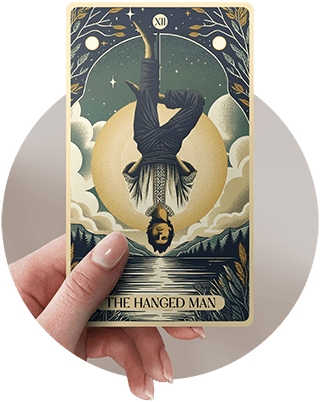
In a world that constantly rewards action, productivity, and forward movement, The Hanged Man can seem like a disappointing card to receive.
A figure hangs upside down, suspended between action and stillness. To many people, the image suggests delay, stagnation, or being stuck.
Yet this interpretation misses the deeper message of the card.
What Most People Think
People often associate The Hanged Man with:
-
Being blocked
-
Lack of progress
-
Waiting endlessly
-
Feeling powerless
While the card may indicate a pause, it does not suggest failure.
What It Actually Means
The Hanged Man represents surrender, perspective, and conscious pause. Sometimes the most important progress happens internally rather than externally. Instead of rushing forward, this card invites us to step back and view a situation from a completely different angle.
The upside-down position symbolizes a shift in perspective. What once seemed obvious may look very different when examined through a new lens.
The Hanged Man asks:
-
What am I refusing to see?
-
What happens if I stop forcing the outcome?
-
Is there another perspective available to me?
Often, the answers we seek emerge only when we stop struggling against the current.
Why Waiting Is Sometimes Necessary
Modern culture teaches us that action is always better than stillness. Tarot often disagrees. There are moments when pushing harder only creates more resistance. During these periods, patience becomes a form of wisdom rather than weakness.
The Hanged Man encourages trust in divine timing. It reminds us that a pause is not the same as being stuck. Sometimes life temporarily slows down because a deeper shift is taking place beneath the surface. Many people later realize that their Hanged Man periods were not delays at all—they were preparation for the next chapter.
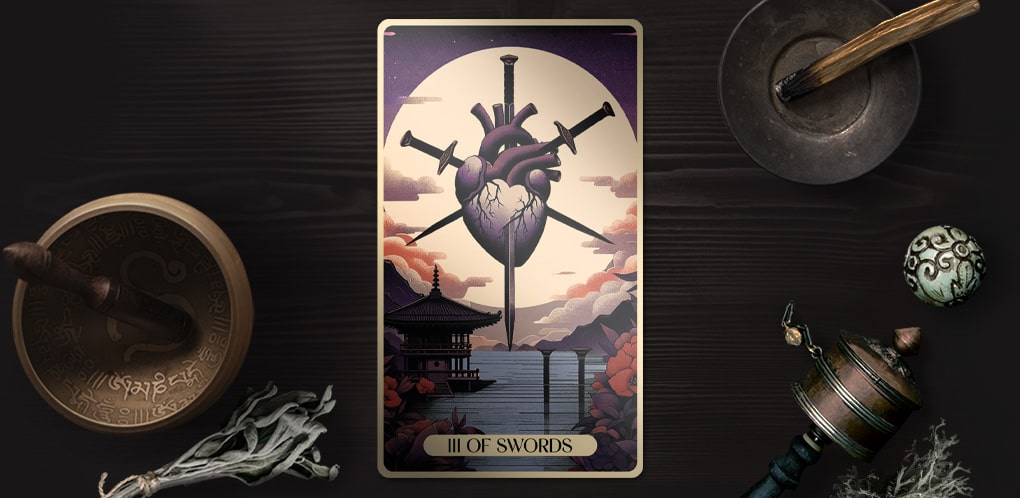
Three of Swords
– More Than Heartbreak
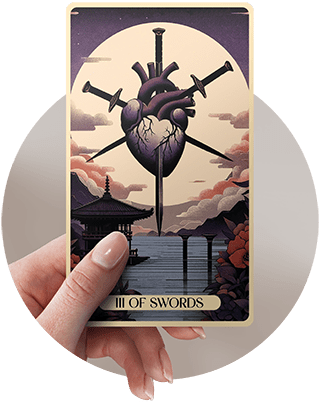
Few tarot cards communicate emotional pain as clearly as the Three of Swords. A heart pierced by three swords is difficult to interpret any other way, which is why many readers immediately associate this card with heartbreak and disappointment.
While emotional pain is certainly part of its symbolism, the card carries a much deeper message than simple suffering.
What Most People Think
When the Three of Swords appears, people often assume:
-
A breakup is coming
-
Betrayal is inevitable
-
Emotional pain is unavoidable
-
The outcome will be negative
These interpretations focus only on the wound itself and overlook the healing process that follows.
What It Actually Means
The Three of Swords represents emotional truth. Sometimes growth requires us to face feelings we would rather avoid. Whether it is grief, disappointment, regret, or heartbreak, the card asks us to acknowledge reality instead of hiding from it.
Painful truths can be difficult to accept, but they often create the opportunity for healing and personal growth.
This card may appear when:
-
A difficult conversation is necessary
-
Emotional healing is beginning
-
Old wounds are surfacing to be released
-
Truth can no longer be ignored
Healing Through Truth
Although the imagery appears painful, the Three of Swords often marks an important turning point. Healing begins when we stop pretending that everything is fine. By facing our emotions honestly, we create space for recovery, understanding, and eventually peace.
The card reminds us that emotional pain is not a permanent destination. It is often part of a process that leads to greater wisdom, resilience, and self-awareness.
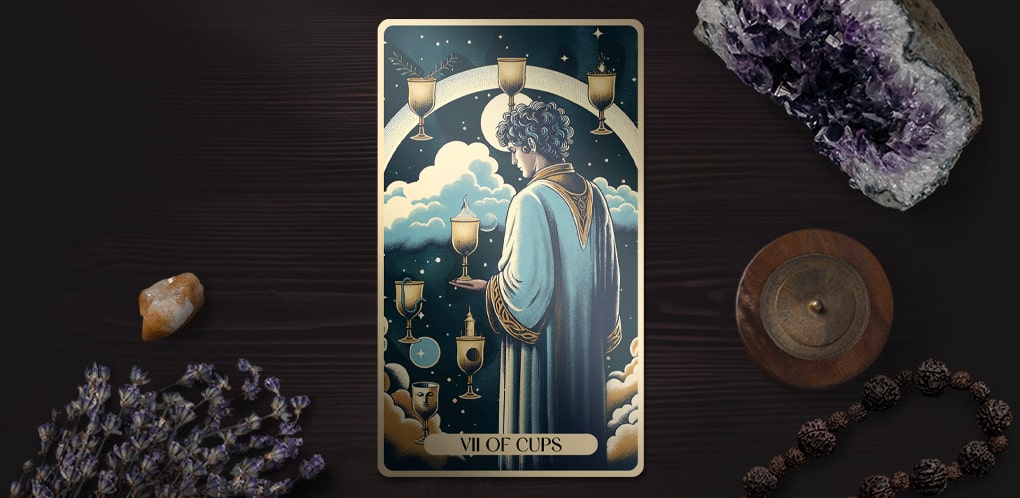
Seven of Cups – Not Just Illusions
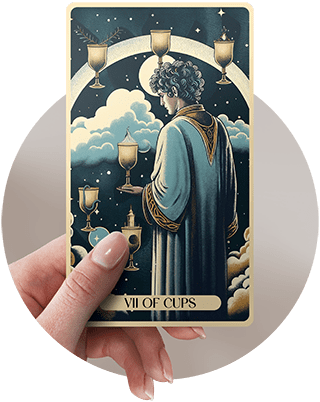
At first glance, the Seven of Cups appears to be a warning about fantasy, confusion, and unrealistic expectations. The card typically shows multiple cups filled with different symbols, each representing a possible path, desire, or opportunity.
Because of this imagery, many readers reduce the card to a simple message: “Be careful of illusions.”
While that interpretation can be relevant, it tells only part of the story.
What Most People Think
Common assumptions include:
-
Fantasy instead of reality
-
Wishful thinking
-
Unrealistic expectations
-
Poor decision-making
These interpretations overlook the card’s connection to imagination and possibility.
What It Actually Means
The Seven of Cups represents choices, opportunities, imagination, and potential.
The card often appears when several paths are available, making it difficult to decide which direction to take. Rather than indicating failure, it reflects the challenge of sorting through multiple possibilities.
In some readings, this abundance of options is exciting. In others, it can feel overwhelming.
The key lesson is learning to distinguish genuine opportunities from distractions.
Choosing Wisely Among Possibilities
The Seven of Cups reminds us that not every opportunity deserves our attention. Dreaming is valuable. Imagination is valuable. Exploring possibilities is valuable. However, there comes a point when action becomes necessary.
The card encourages us to balance inspiration with practicality. It asks us to choose intentionally rather than chasing every option that appears attractive. When understood properly, the Seven of Cups is not a warning against dreams—it is guidance on how to transform dreams into reality.
Want to learn more aboaut tarot?
Your content goes here. Edit or remove this text inline or in the module Content settings. You can also style every aspect of this content in the module Design settings and even apply custom CSS to this text in the module Advanced settings.
What These Cards Have in Common
though The Tower, Death, The Devil, The Moon, The Hanged Man, Three of Swords, and Seven of Cups appear very different on the surface, they share an important theme. All of them challenge first impressions. These cards are frequently feared because their imagery appears intense, uncomfortable, or uncertain. Yet when examined more closely, they often reveal messages about growth, freedom, healing, transformation, and self-discovery.
The lesson is simple: tarot rewards depth. The most valuable insights often emerge when we look beyond obvious interpretations and explore the symbolism beneath the surface. Many of the cards people fear the most are actually inviting them toward positive change.
How to Avoid Misinterpreting Tarot Cards
- Look at the Entire Spread
A single card rarely tells the whole story. The surrounding cards provide context, helping clarify how a particular card should be interpreted within the reading.
- Consider the Question
The same card can have different meanings depending on what is being asked. A card appearing in a career reading may communicate something entirely different than it would in a relationship reading.
- Focus on Symbolism
Tarot communicates through symbols, archetypes, and themes rather than literal predictions. Looking beyond the surface often reveals richer and more accurate interpretations.
- Avoid Fear-Based Reading
Fear narrows interpretation. Approaching tarot with curiosity instead of anxiety allows the deeper meaning of each card to emerge naturally.
One of the most important lessons in tarot is learning to move beyond appearances. The cards that initially seem frightening often carry some of the most meaningful messages in the deck. They encourage honesty, growth, transformation, and deeper self-understanding.
Rather than asking whether a card is “good” or “bad,” a more useful question is: What is this card trying to teach me?
When approached with openness and curiosity, even the most misunderstood tarot cards can become powerful guides on the journey of personal growth and self-discovery.
Learn More About These Cards

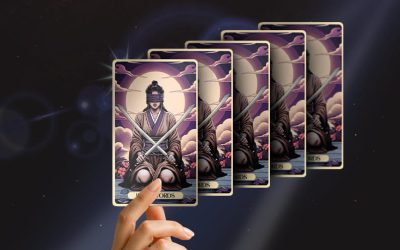
What It Means When the Same Tarot Card Keeps Appearing
You shuffle your deck, ask a question, pull a card — and there it is again. The same tarot card you pulled yesterday, last week, or in a completely different reading. At first, it may feel like a coincidence, but after the second or third time, the card starts to feel...